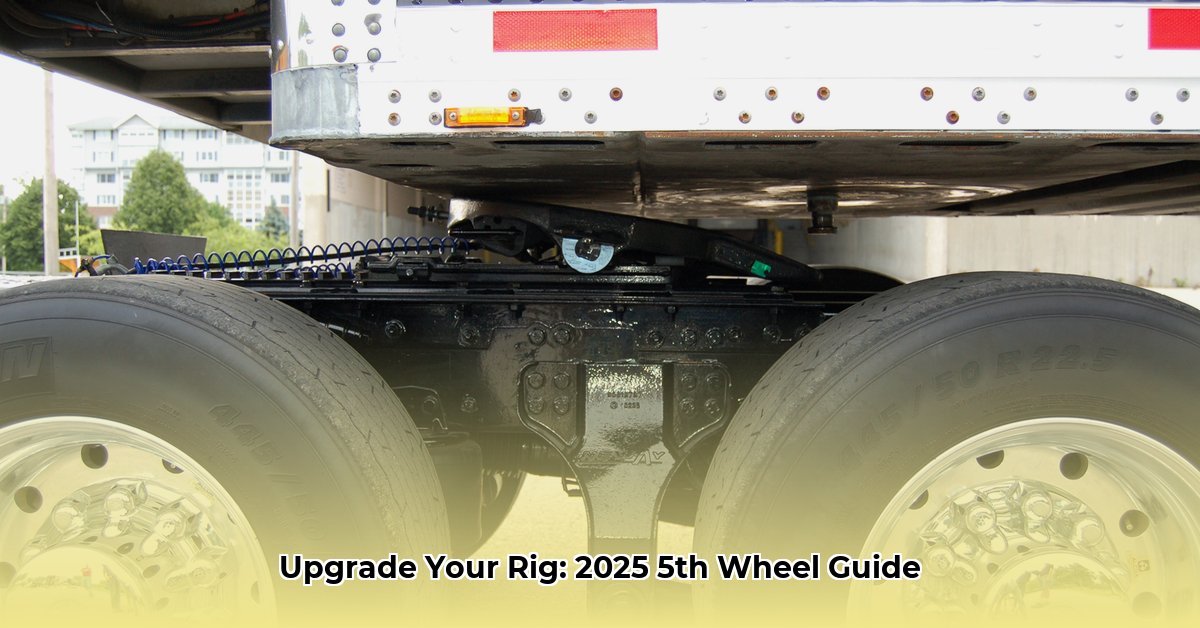
Understanding Semi-Tractor Fifth Wheels: The Critical Connection
The semi-tractor fifth wheel is the lynchpin connecting your truck's tractor to its trailer. This seemingly simple component plays a crucial role in safe and efficient hauling. A properly functioning fifth wheel ensures secure load transport and prevents costly breakdowns. This guide provides comprehensive information to help you select, install, and maintain this critical piece of equipment. For more information on heavy-duty equipment, check out this resource on farm tractors.
Types of Semi-Tractor Fifth Wheels: Fixed vs. Sliding
Two primary fifth wheel types dominate the market: fixed and sliding. Fixed fifth wheels offer simplicity and robust performance, ideal for consistent load types and long-haul trucking where maneuverability isn't paramount. However, their fixed position limits flexibility with varying trailer lengths. Sliding fifth wheels, conversely, allow for adjustable trailer placement, enhancing maneuverability, especially valuable for short-bed trucks navigating tight spaces or those hauling diverse cargo sizes. Choosing between these types depends entirely on your specific operational needs.
Material Matters: Steel, Aluminum, and Performance Trade-offs
The material composition significantly impacts a fifth wheel's performance, weight, and lifespan. Steel offers superior strength and durability, making it a reliable choice for demanding applications. However, its greater weight can negatively impact fuel efficiency. Aluminum, a lighter alternative, improves fuel economy but may compromise durability and require more frequent maintenance. The optimal material choice involves careful consideration of your hauling needs and budget.
Selecting Your Semi-Tractor Fifth Wheel: A Step-by-Step Guide
Selecting the right fifth wheel requires a systematic approach. Follow these steps to ensure optimal performance and safety:
Determine Payload and Weight Distribution: Precisely calculate your maximum payload and understand how weight is distributed across your vehicle's axles. Incorrect weight distribution is a major safety hazard and can lead to significant legal penalties. Accurate weight management is paramount.
Define Your Hauling Operations: The type of hauling (long-haul, regional, specialized) significantly influences the required fifth wheel specifications. Long-haul operations might prioritize durability, while regional transport might value maneuverability. Specialized hauling necessitates equipment tailored to unique cargo requirements.
Budget Wisely: Carefully assess the costs associated with different fifth wheel options – new, rebuilt, or used. Factor in not only the initial purchase price but also ongoing maintenance and potential replacement costs. A thorough cost-benefit analysis will guide your decision.
Check Regulations: Always comply with all relevant safety regulations and weight limits. These regulations vary by region and are subject to change, so staying informed is crucial.
Installation and Maintenance: A Proactive Strategy
Correct installation is essential for optimal performance and safety. Always adhere to the manufacturer's instructions. Regular maintenance, including visual inspections, lubrication, and thorough periodic inspections, significantly extends the fifth wheel's lifespan and minimizes the risk of breakdowns.
Preventative Maintenance Schedule:
| Maintenance Task | Recommended Frequency | Importance |
|---|---|---|
| Visual Inspection | Before Every Trip | Quickly identify potential issues |
| Lubrication | Every 3 Months | Maintains smooth operation and prevents premature wear |
| Thorough Inspection | Every 6 Months | Detects developing wear and tear |
| Professional Inspection/Overhaul | Annually | Comprehensive assessment by a qualified mechanic is crucial |
Troubleshooting Common Issues: Quick Fixes and Preventative Measures
Addressing common issues promptly prevents escalation into major problems.
- Engagement Problems: Check lubrication and alignment. Insufficient lubrication is a frequent cause of engagement difficulties.
- Excessive Wear: Regular inspections can identify excessive wear, allowing prompt replacement before catastrophic failure.
- Loose Components: Tighten all bolts and ensure secure fastening of all components. Loose parts pose serious safety risks.
- Binding: Identify obstructions and correct any alignment problems hindering smooth operation.
Safety: The Paramount Consideration
Prioritizing safety is non-negotiable. A malfunctioning fifth wheel can cause catastrophic accidents. Regular maintenance, high-quality components, and a vigilant approach to operation are essential for ensuring both safety and legal compliance.
Choosing the Right Fifth Wheel for Varying Cargo Loads: A Practical Guide
This section further refines your selection process, focusing on matching the fifth wheel's capabilities to diverse cargo demands.
Key Considerations:
- Weight Capacity: Always ensure the fifth wheel’s weight capacity exceeds your Gross Trailer Weight (GTW) and Gross Vehicle Weight Rating (GVWR). Safety and legal compliance are paramount.
- Operation Type: Carefully consider the nature of your hauling operations (long-haul, regional, specialized) to choose a fifth wheel with appropriate features and durability.
- Maneuverability: If operating in tight spaces or with shorter trucks, a sliding fifth wheel enhances maneuverability.
- Materials: Choose materials (steel or aluminum) that balance strength, weight, cost, and your specific operational needs.
- Maintenance: Prioritize regular inspections and preventative maintenance for a longer lifespan and reduced risk of failures.
This guide provides a strong foundation for making informed decisions about semi-tractor fifth wheels. Remember, the right choice ensures smooth operations, profitability, and above all, safety.